Project Overview


Key Visual
Dr. Jelly and Kobe Overview

Project Vision

โ€œDr. Jelly and Kobeโ€ is a third-person platformer developed via the Unity engine. The game's aesthetics transport players to a vibrant, whimsical world where they guide Kobe through perilous obstacles and imaginative environments.

The Story

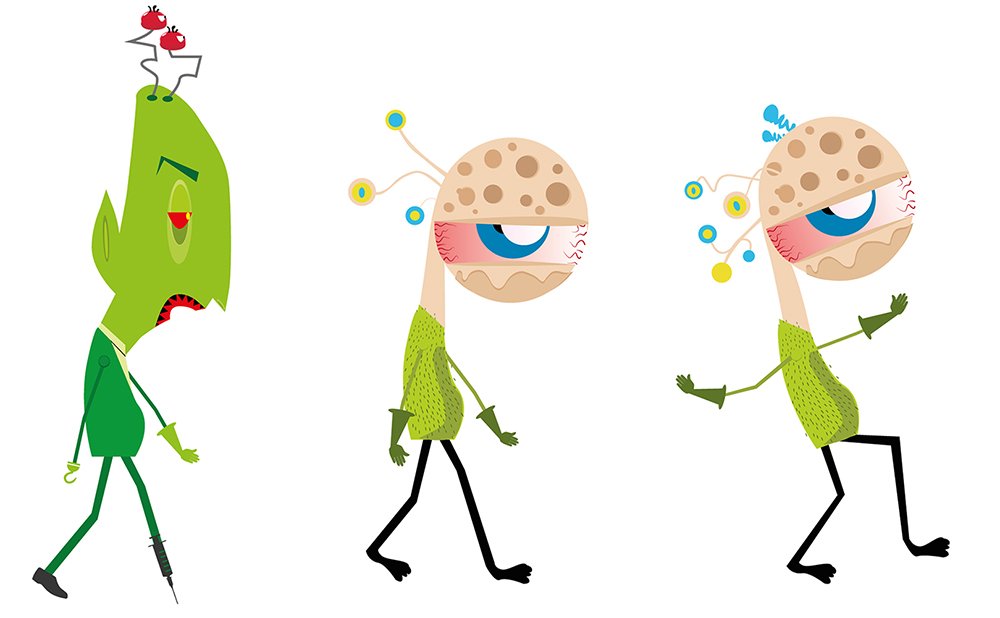
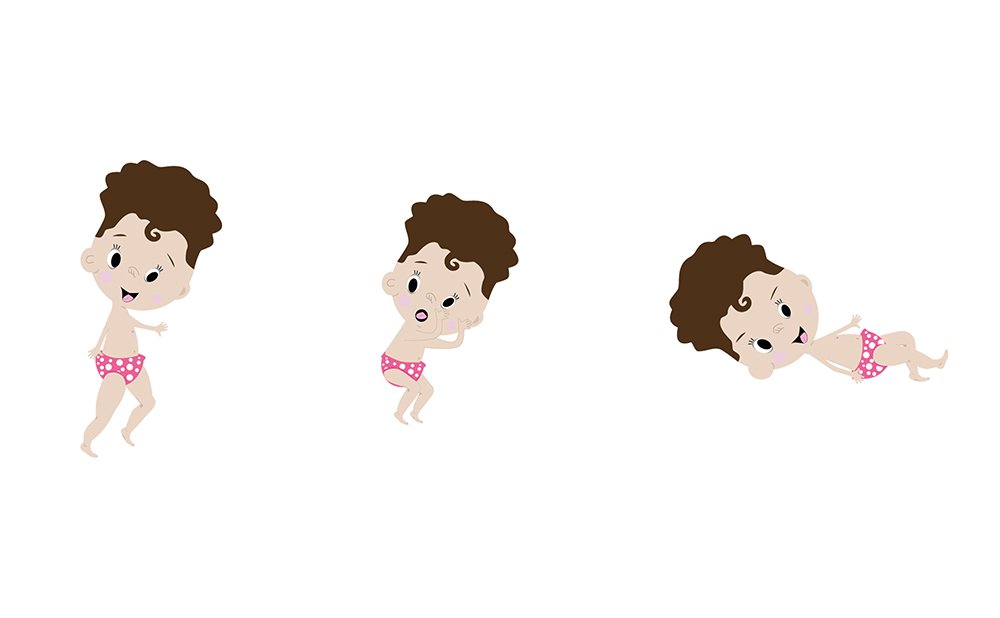
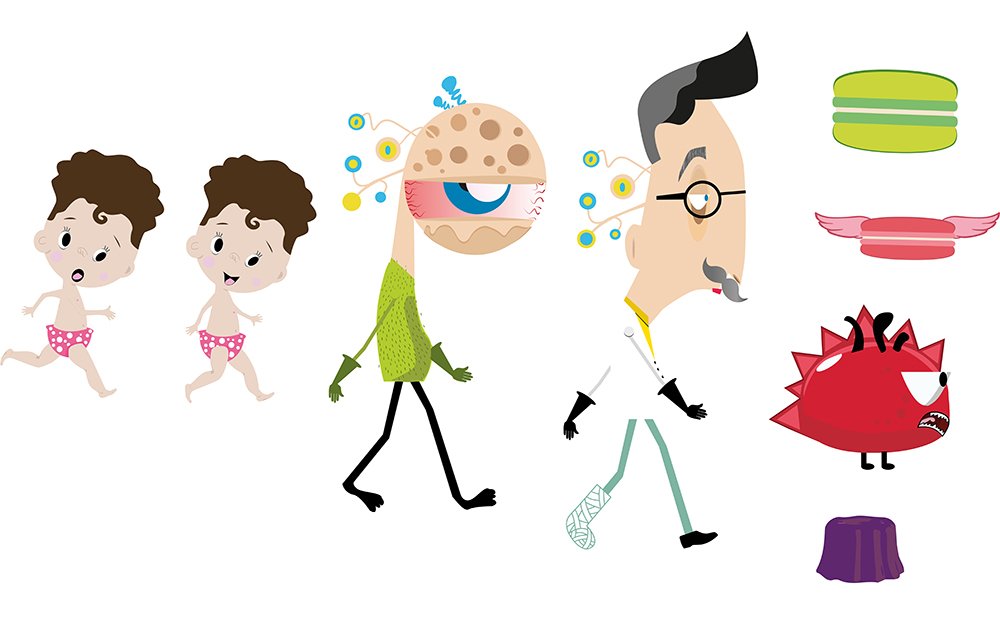
Dr. Jelly is an alien scientist on a mission to collect babies from Earth for his research. His first target is Kobe, but capturing him proves to be far more challenging than anticipated.

๐Ÿ‘ฅ Target Audience
Suitable for all ages, from kids to adults. Designed for casual gamers looking for an engaging and fun way to pass the time.
๐ŸŽฏ Key Objective
Enhance decision-making skills by letting players choose strategic paths to survive while maintaining a high level of enjoyment.
๐Ÿ”„ Core Gameplay Loop
An addictive cycle of running, jumping, and avoiding obstacles while collecting sweet rewards like candies and jellies.
๐Ÿข Team Structure
Collaboratively created by a dedicated team of four students, handling everything from AI to visual aesthetics.


Tools Used


Adobe Illustrator
Adobe Photoshop
Adobe Indesign
Visual Studio
Prototyping tools
Unity Engine


Key Challenges


The Complexity

As a team, we navigated a wide spectrum of obstacles, from unifying contrasting visual visions to implementing complex character AI. My primary challenge resided in developing the intelligence for Dr. Jelly and ensuring the game remained performant across diverse platforms.

View Specific Problem Areas
  • ๐Ÿค Idea Synthesis: Aligning four different creative perspectives into a single cohesive game vision.
  • โœจ Visual Continuity: Maintaining a consistent aesthetic across all levels and UI elements.
  • ๐Ÿค– Character AI: Crafting a challenging yet fair chasing algorithm for Dr. Jelly.
  • โšก Performance: Balancing visual fidelity with smooth gameplay on lower-end devices.
  • ๐Ÿ“ฑ Adaptability: Managing the divide between PC controls and mobile touch interfaces.

Overcoming Challenges


Established a group leadership role and followed a rigorous schedule to maintain project momentum.
Iterated through multiple visual revisions based on user feedback to reach the finalized "Dr. Jelly" look.
Conducted extensive user testing sessions to identify pain points in gameplay and difficulty balancing.
Applied advanced programming logic, including state machines and switches, to govern character behaviors.
Utilized Object Pooling in Unity to reduce memory overhead and ensure consistent 60fps performance.
Designed adaptive UI systems with platform-specific button layouts for both PC and mobile players.


My Role & Contribution


Strategic Design & Implementation

During the development of "Dr. Jelly and Kobe," I took a leadership position in shaping the end-to-end user experience and governing the fundamental mechanics of the game's level progression.

UI/UX Design & Prototyping: Created comprehensive interface elements including loading, game over, main menu, settings, and tutorial screens for both desktop and mobile.
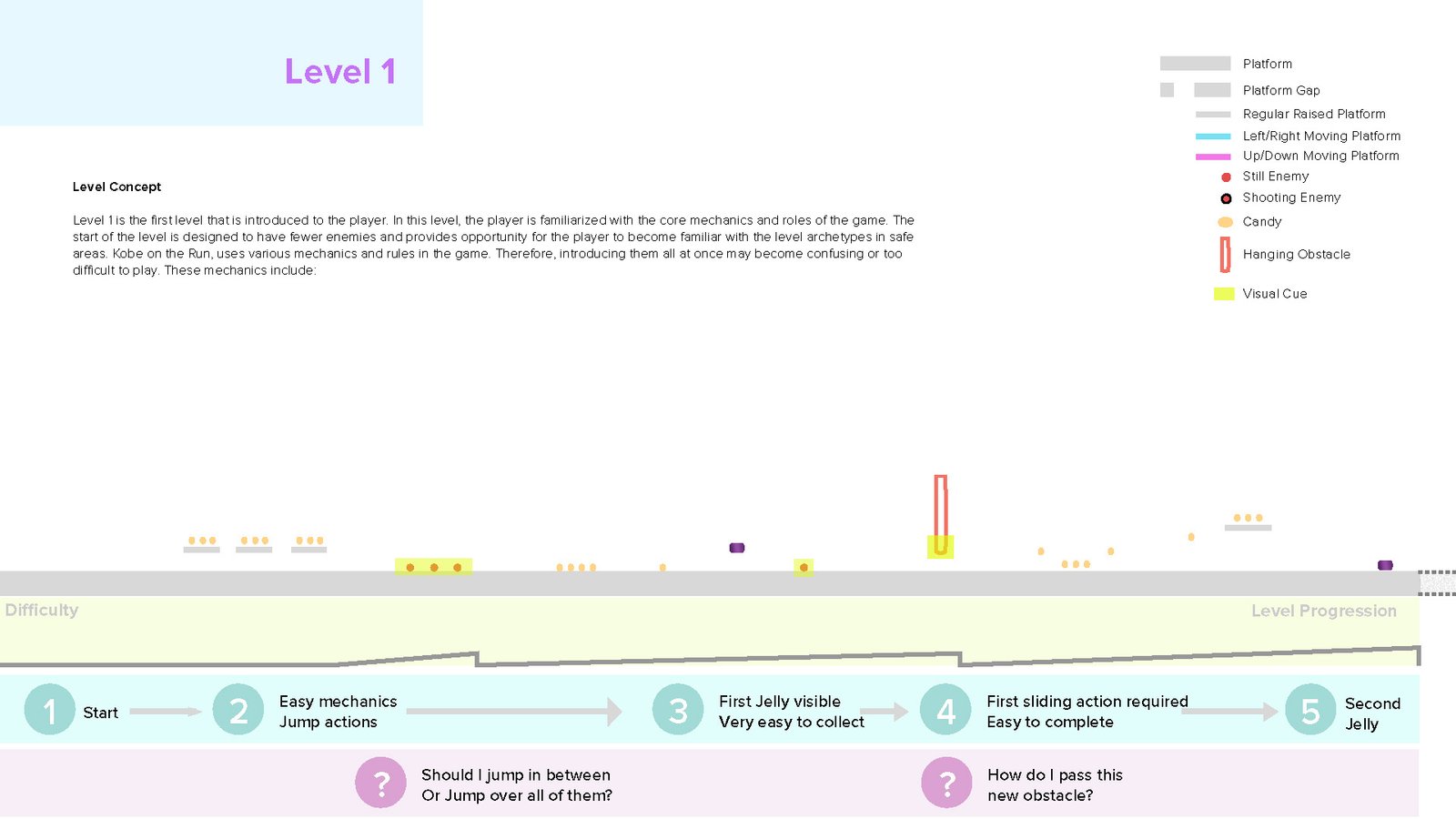
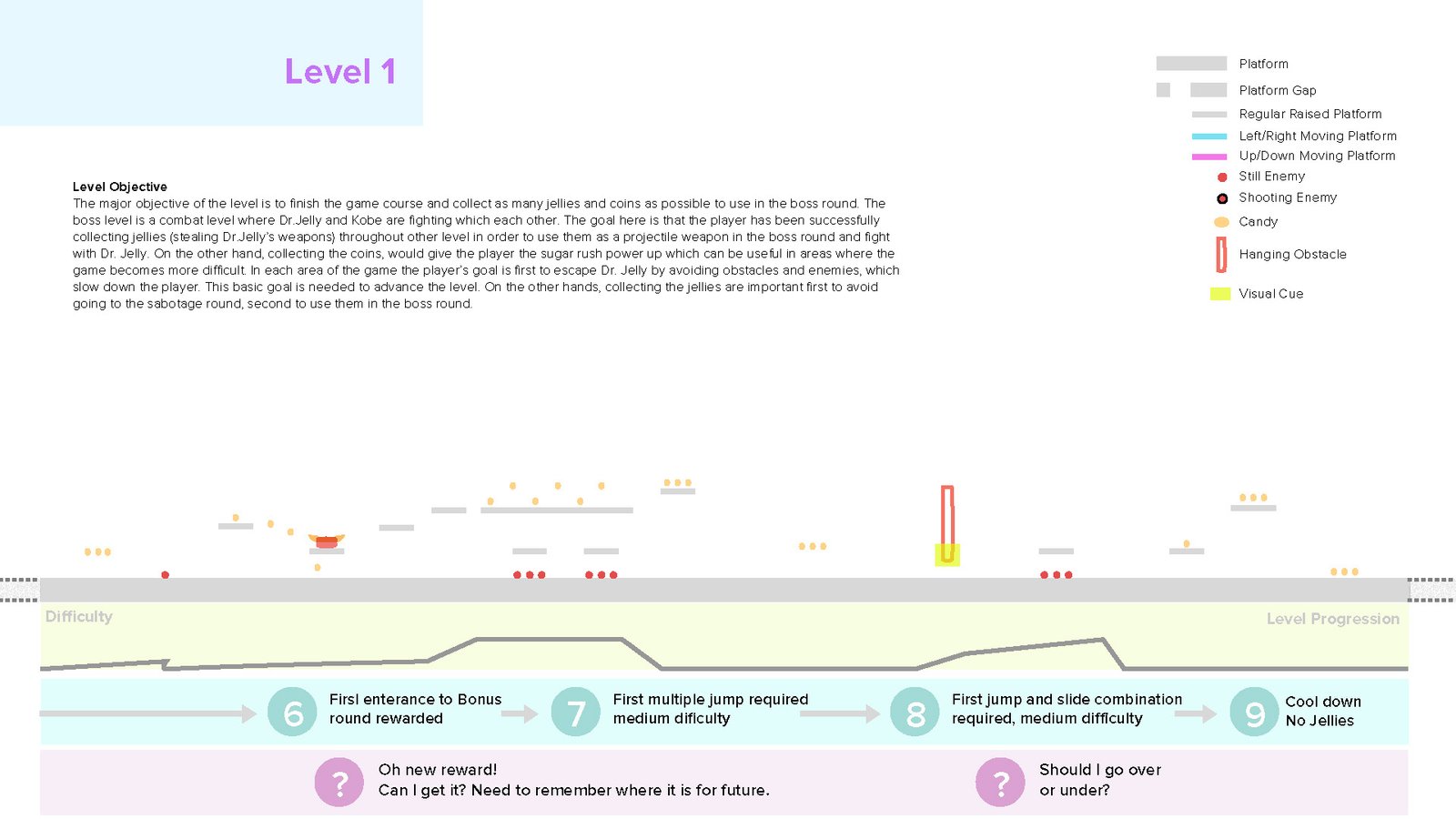
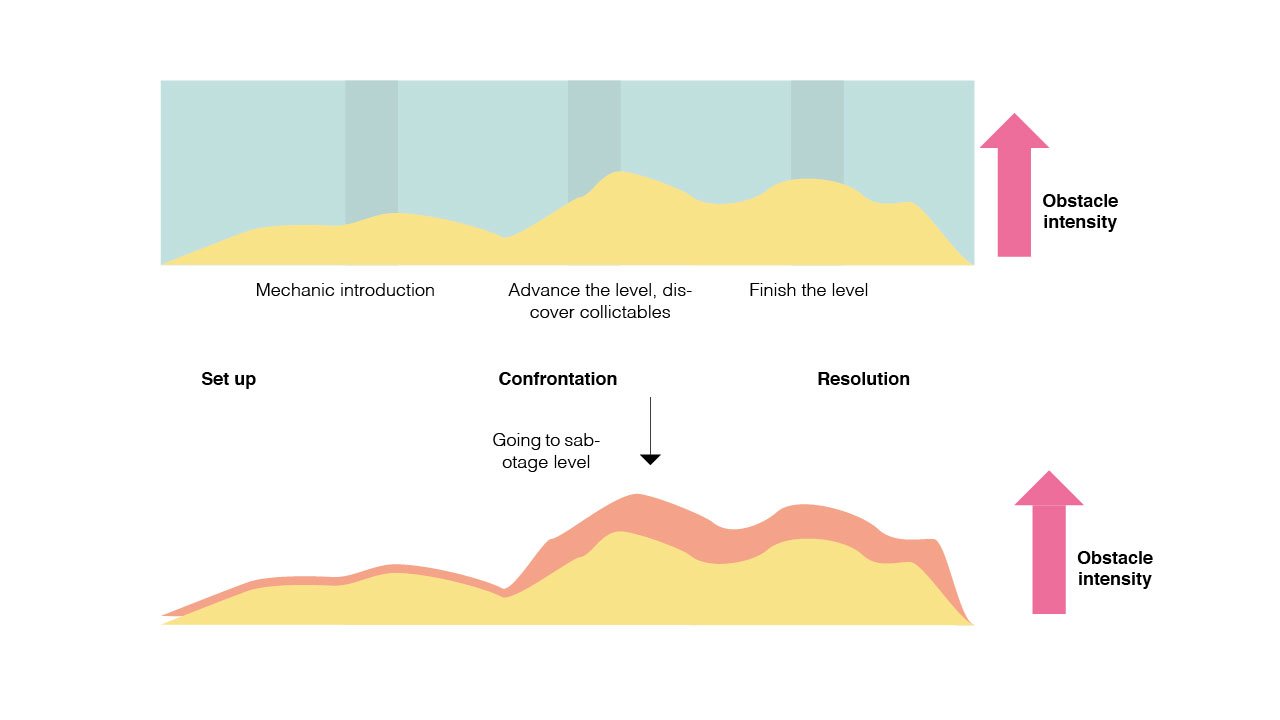
Level Design & Gameplay Arc: Carefully balanced difficulty curves, defined objectives, and established the overall pacing and arc of the player experience.
UX Testing & Visualization: Conducted usability testing and developed functional flow-boards and decision trees to guarantee a seamless and intuitive user journey.


Methodology

Creative Journey

From initial concepts to complex character logic, exploring the iterative process of bringing the world of Kobe to life.


Defining the visual aesthetics and character traits that bring personality to the game's whimsical environments.


Rough Sketches


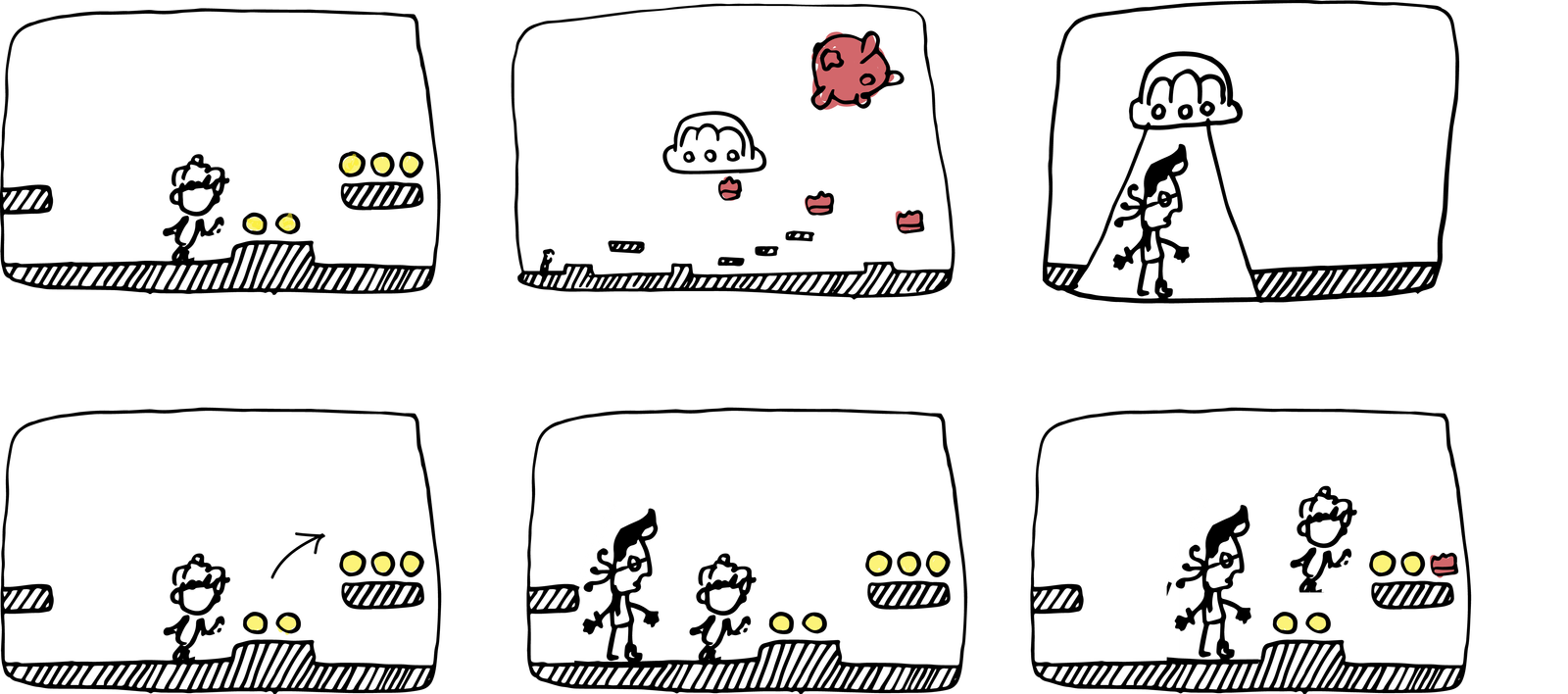
Early Ideation

The journey began with hand-drawn sketches on paper, allowing us to rapidly iterate on level flow and character narratives before moving into the digital workspace.


Initial Level Design


Level Architecture

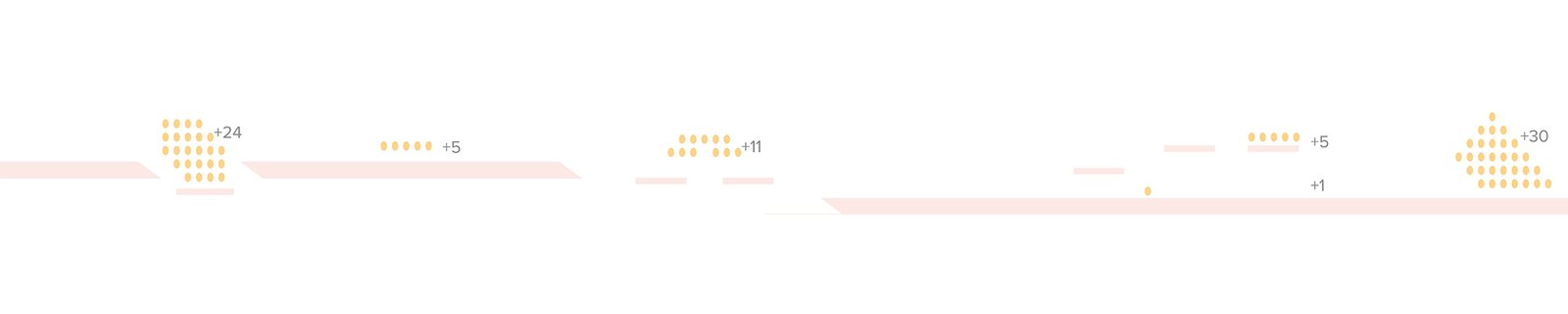
A detailed breakdown of coins and platforms positioning within the bonus level. This phase focused on maximizing player flow and reward-density to create an exciting, fast-paced atmosphere.


Bonus-level Finalized Design


โœจ

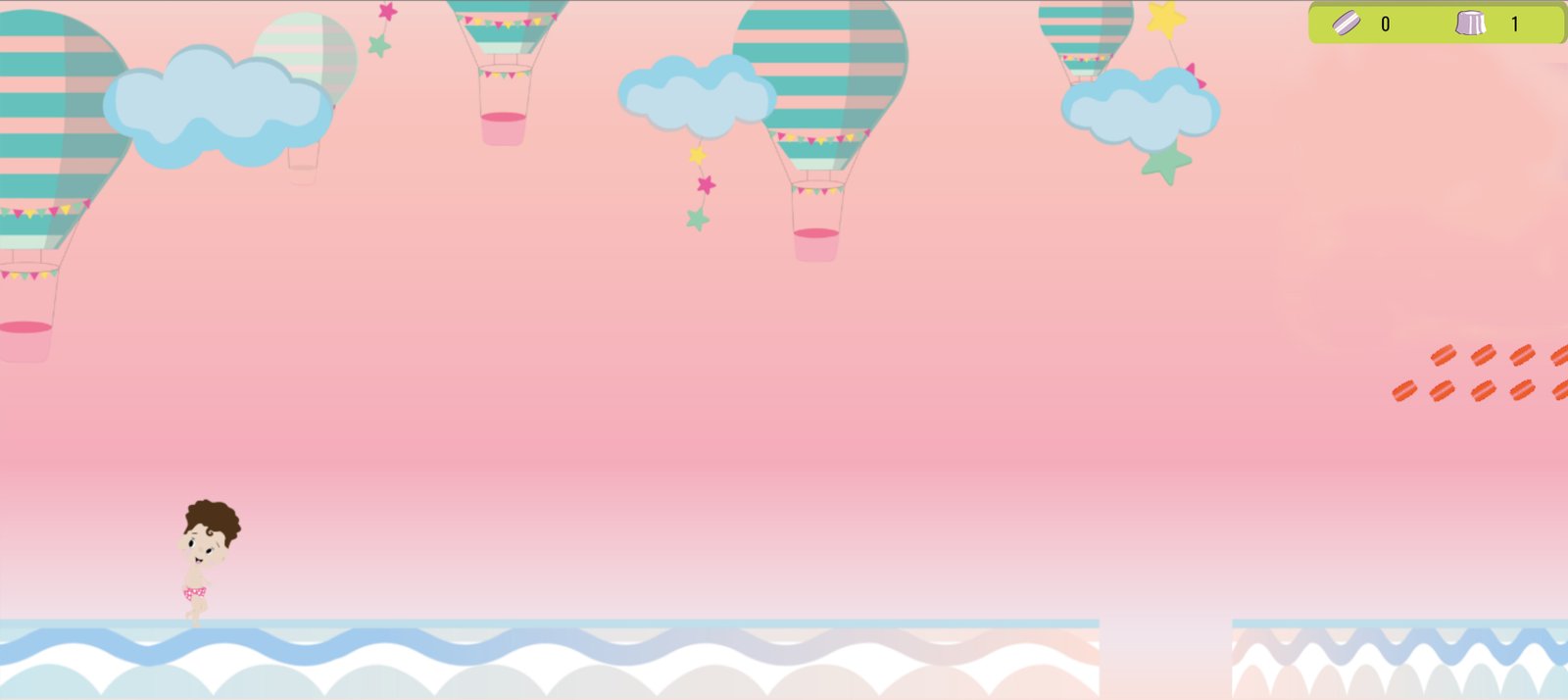
Collecting a threshold of Jellies triggers a transition to the Bonus Level, where players can maximize their score by gathering exclusive Macaron rewards in a high-intensity environment.


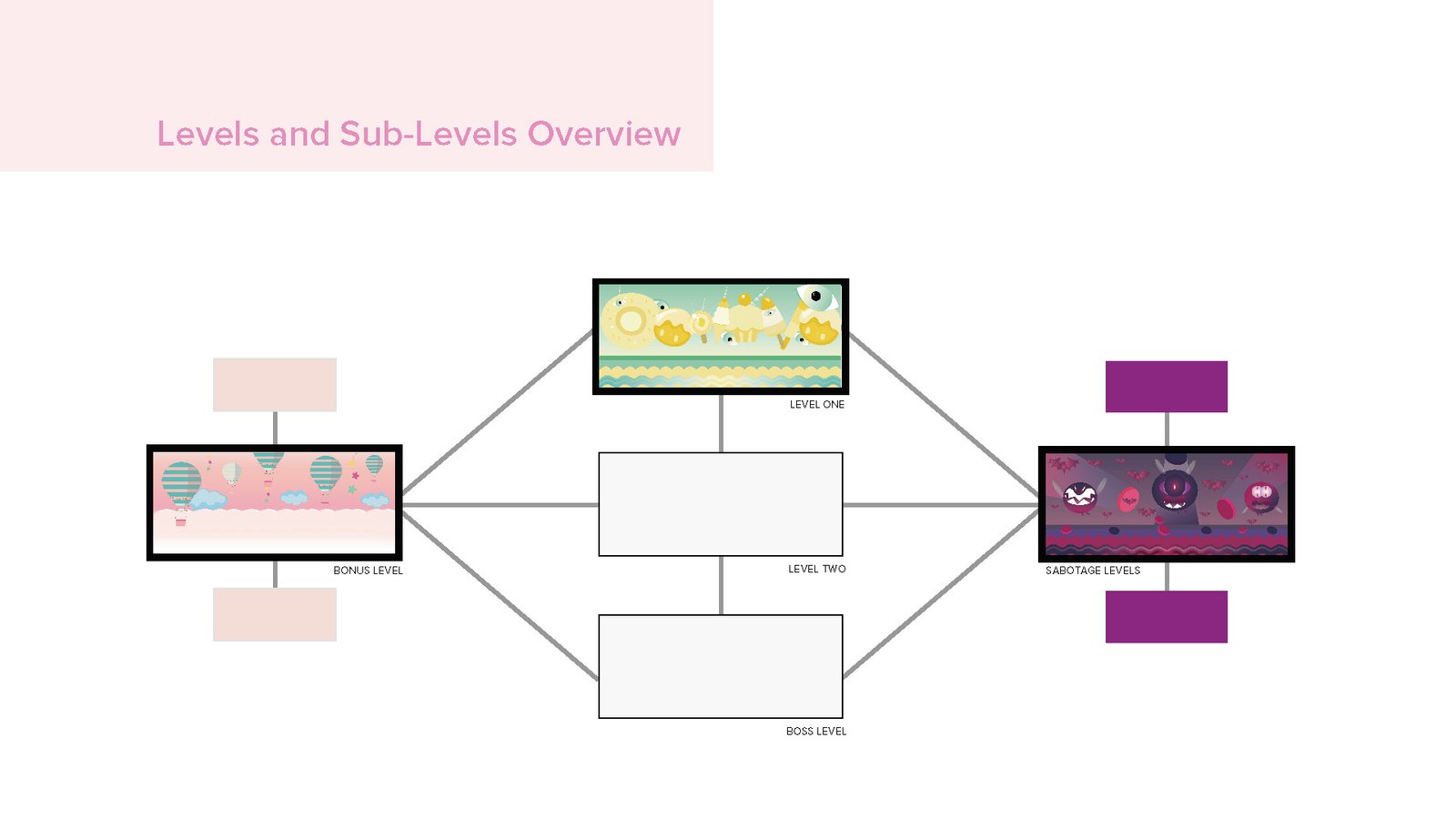
Levels and Sub-levels Overview


Different Level Design (initial ideas)


Design Rationale

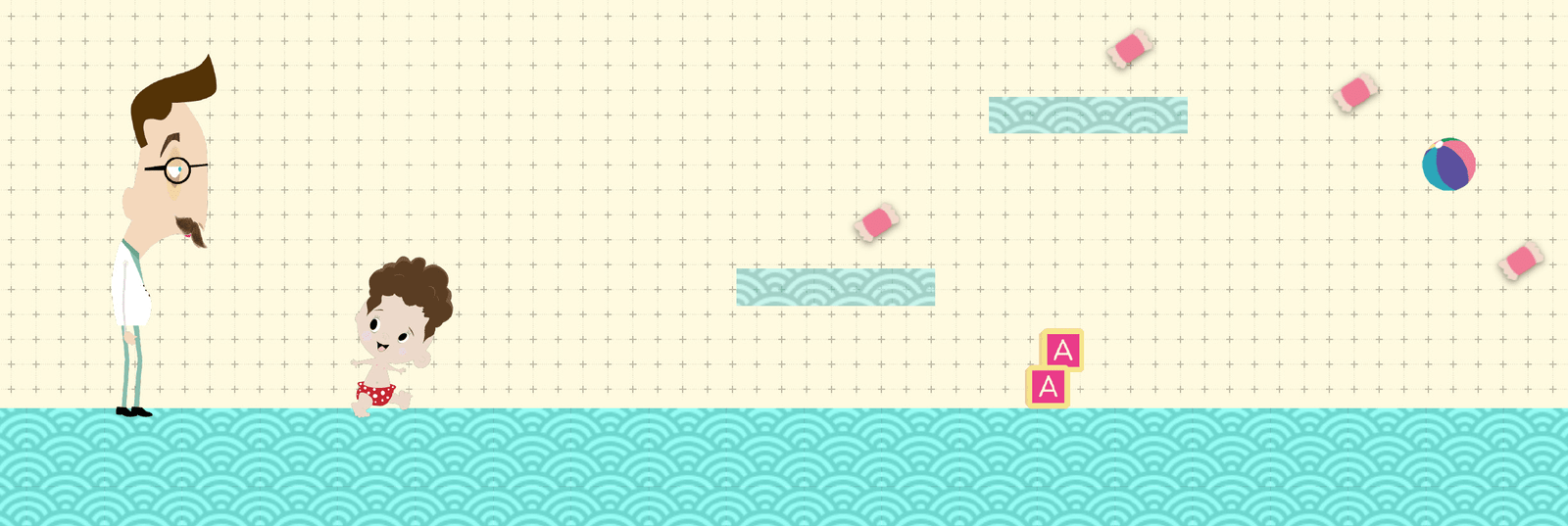
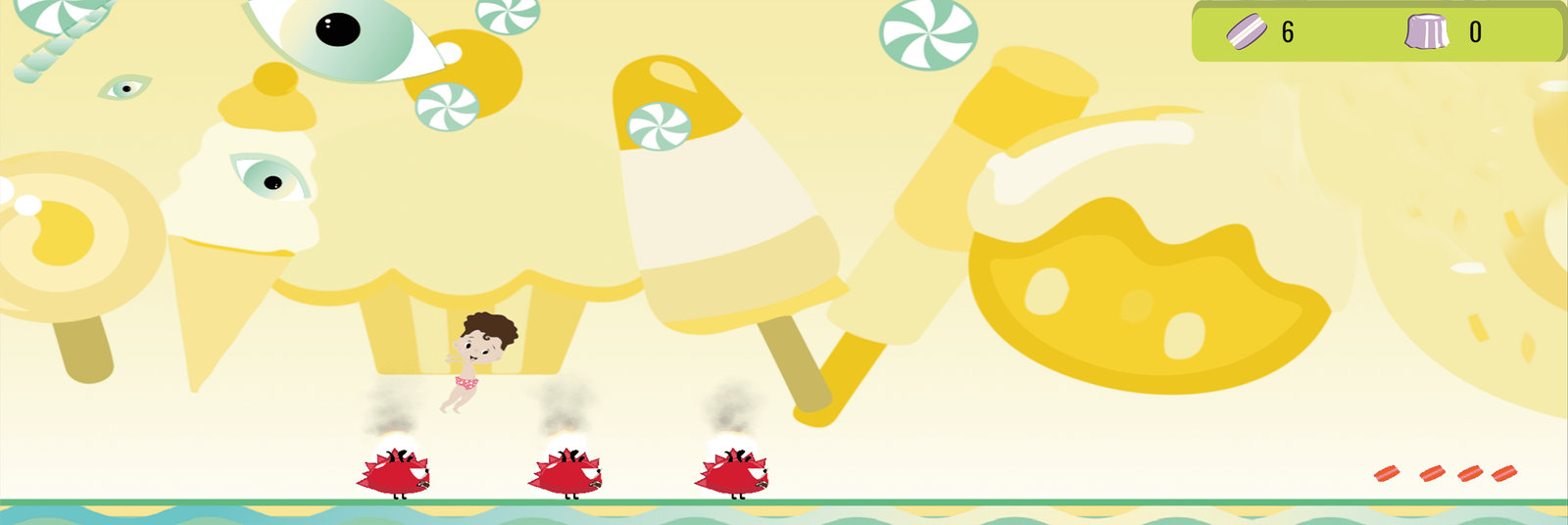
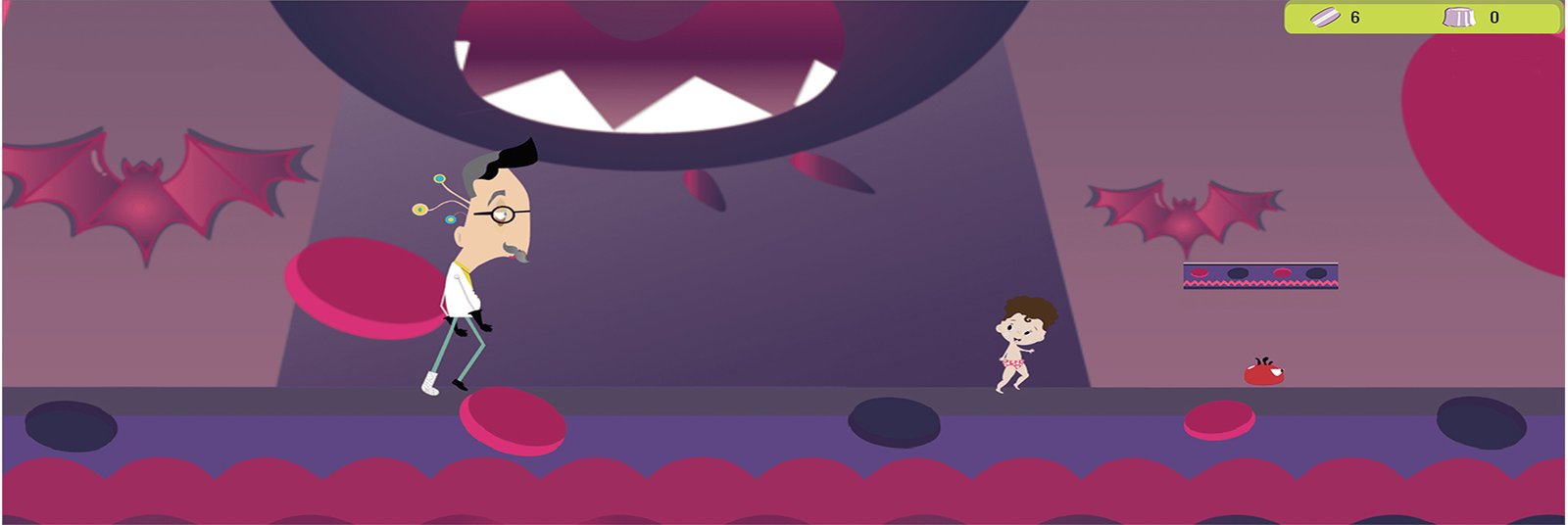
We pivoted away from these initial designs as they were either visually distracting or lacked the depth required for a professional mobile game. The finalized versions prioritize aesthetic harmony and incorporate a parallax effect to create an immersive, multi-layered sense of environment.


Finalized Level Design (Sample)


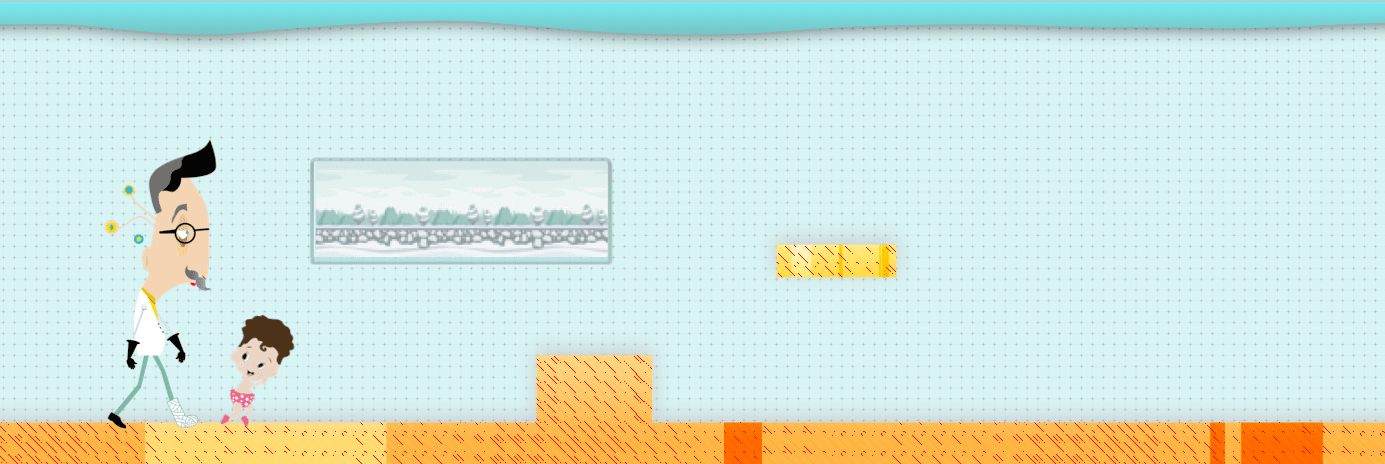
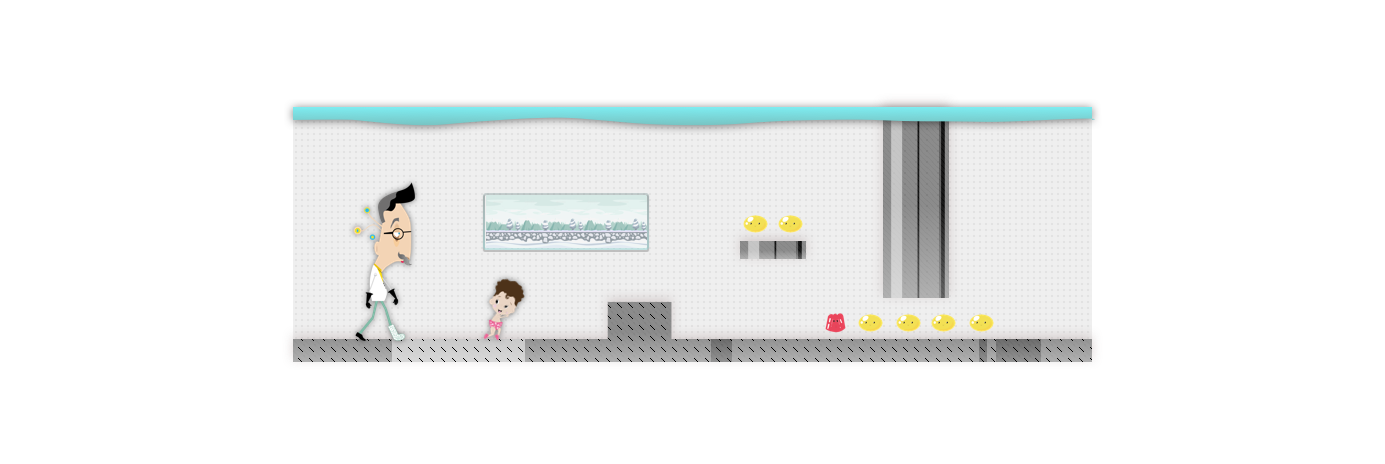
Elements' position Diagram


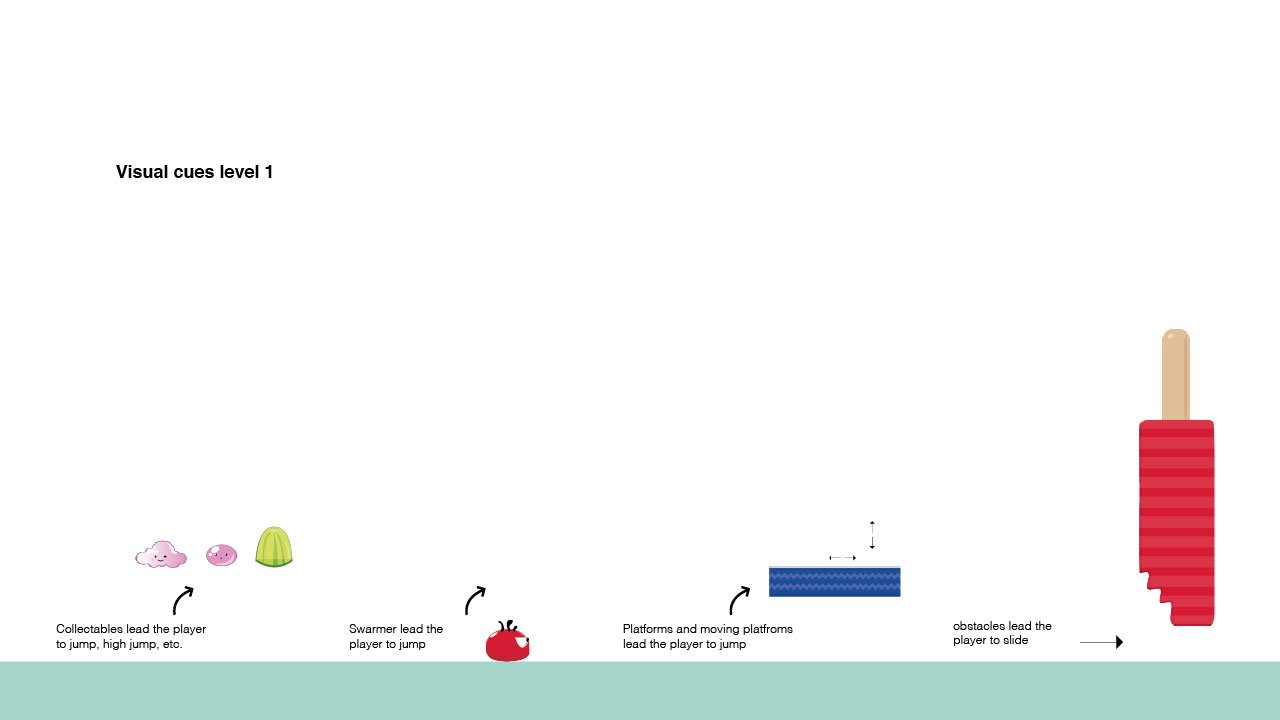
Visual-Cues


Gameplay-Arc


The way the game starts and proceeds

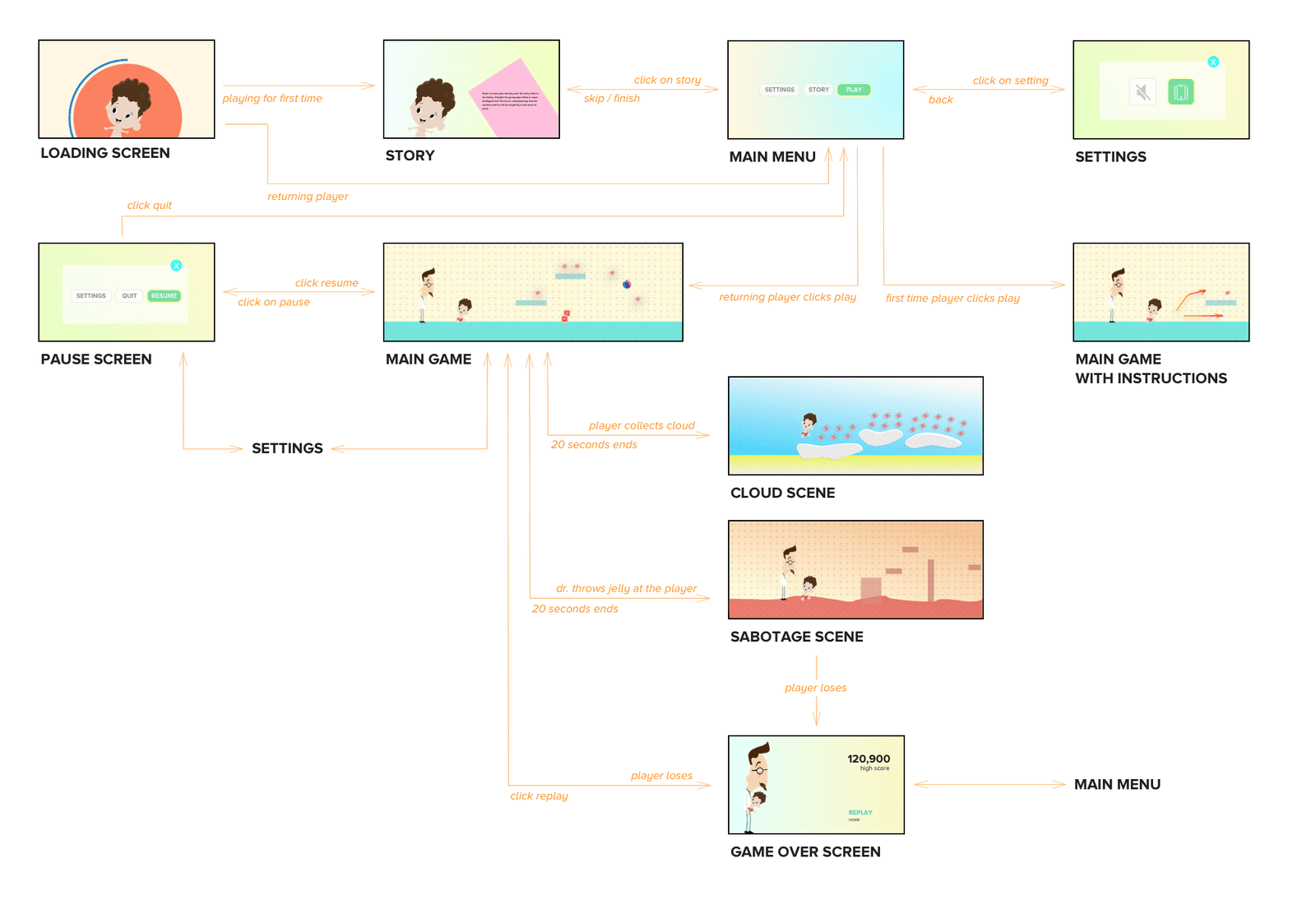
Functional Flow-board


Interface Architecture

The Functional Flow-board acts as the structural foundation of the project, mapping out the core user journey through every primary activity and screen in the game.

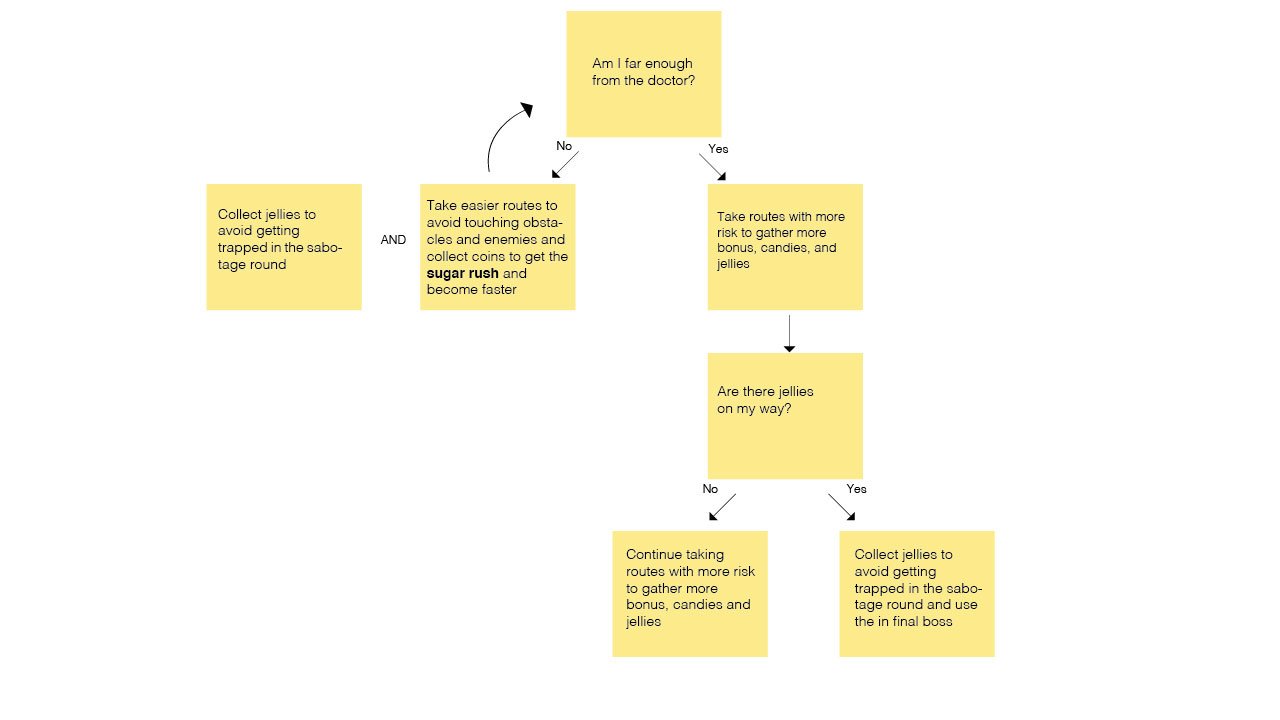
Decision Tree Diagram


User Cognitive Patterns

This Decision Tree Diagram captures the core thinking patterns of our users. By using the Think Aloud Method, we visualized player logic and decision pathways to refine survive-or-fail mechanics.


Menu & Tutorial Screens (Phone & PC)


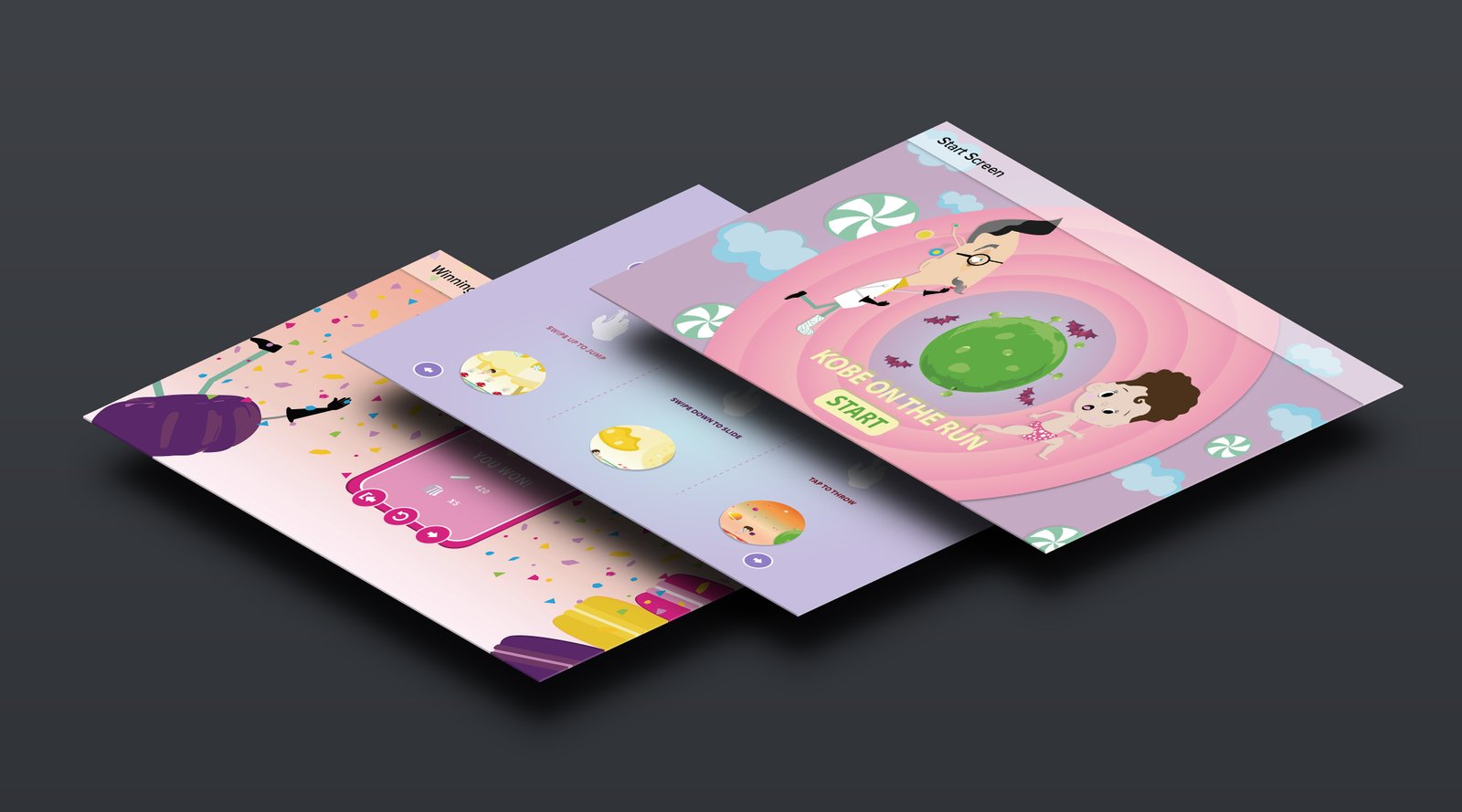
From the first interaction, the interface is designed for immediacy. A simple one-click start launches players directly into the action, ensuring minimal friction between the menu and the "childish world."


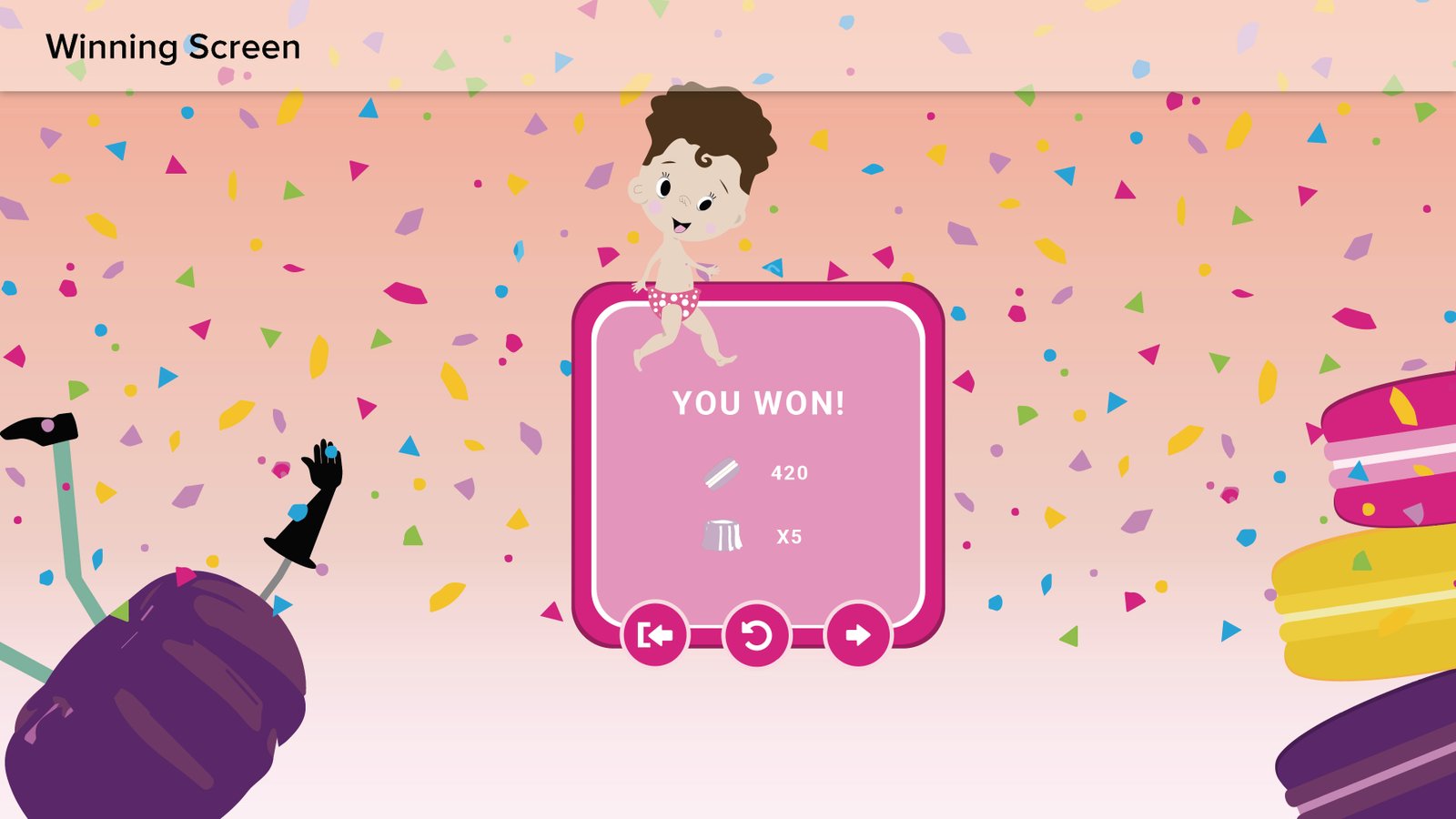
Unlike traditional infinite runners, "Dr. Jelly and Kobe" features a definitive win state. The Victory Screen celebrates player progress by displaying a detailed count of all Jellies and Macarons collected.


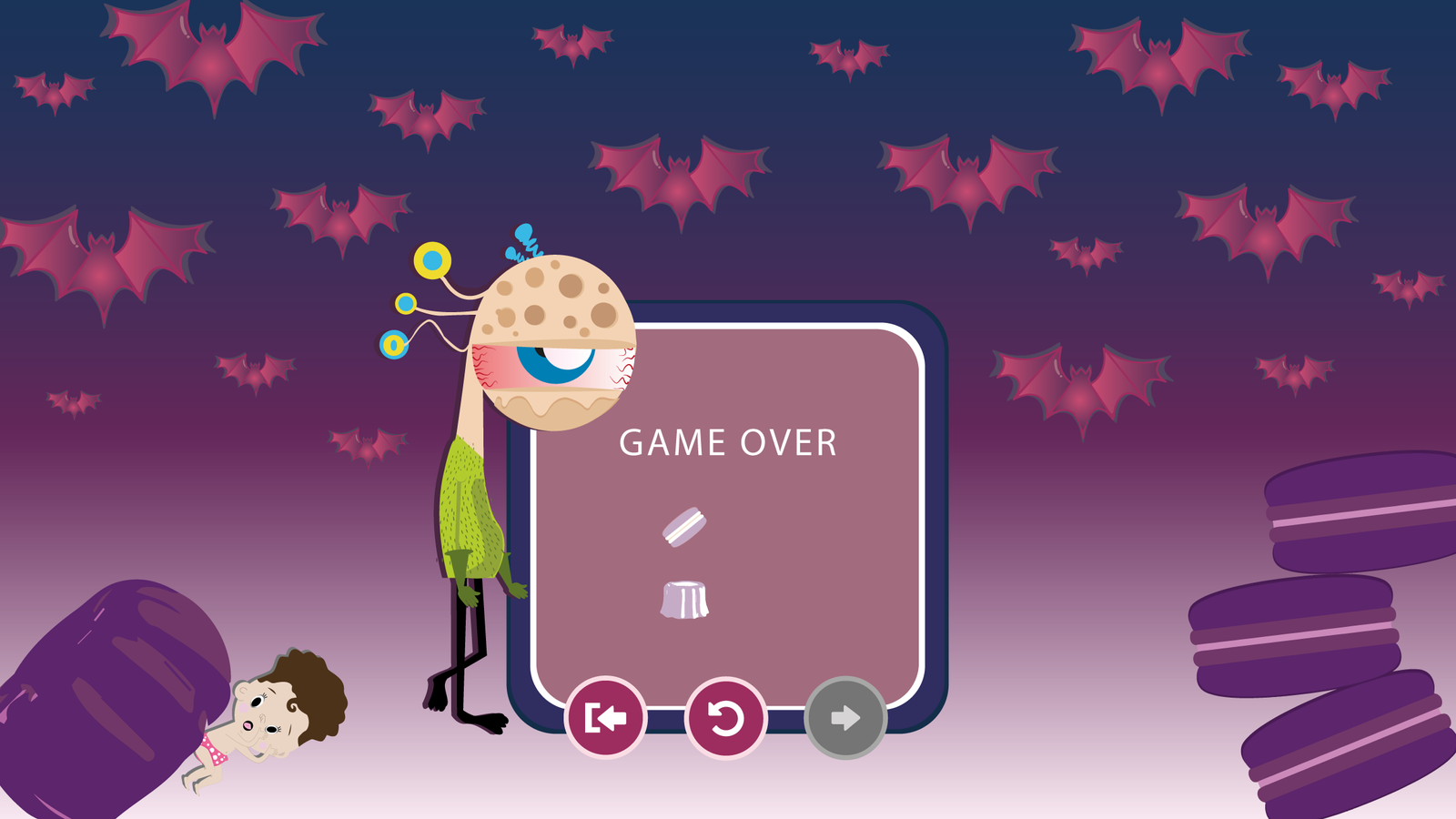
The stakes are clearly defined in the Game Over state. If Dr. Jelly successfully captures Kobe, the screen immediately triggers, reinforcing the project's core tension and risk.


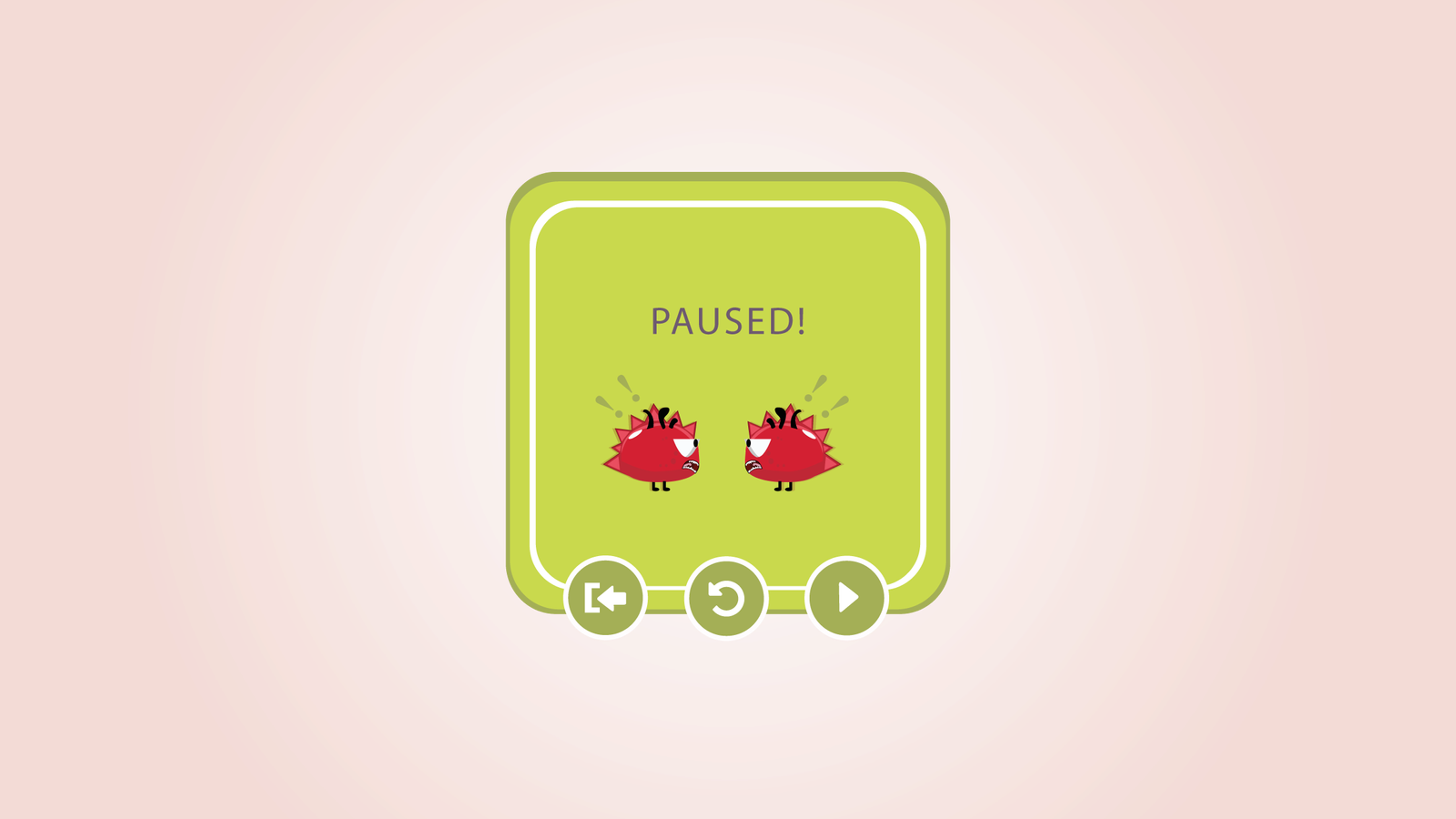
The Pause Menu grant players full control over their session. It features three intuitive options: Home for menu navigation, Reset for an instant retry, and Resume to dive back into the chase.


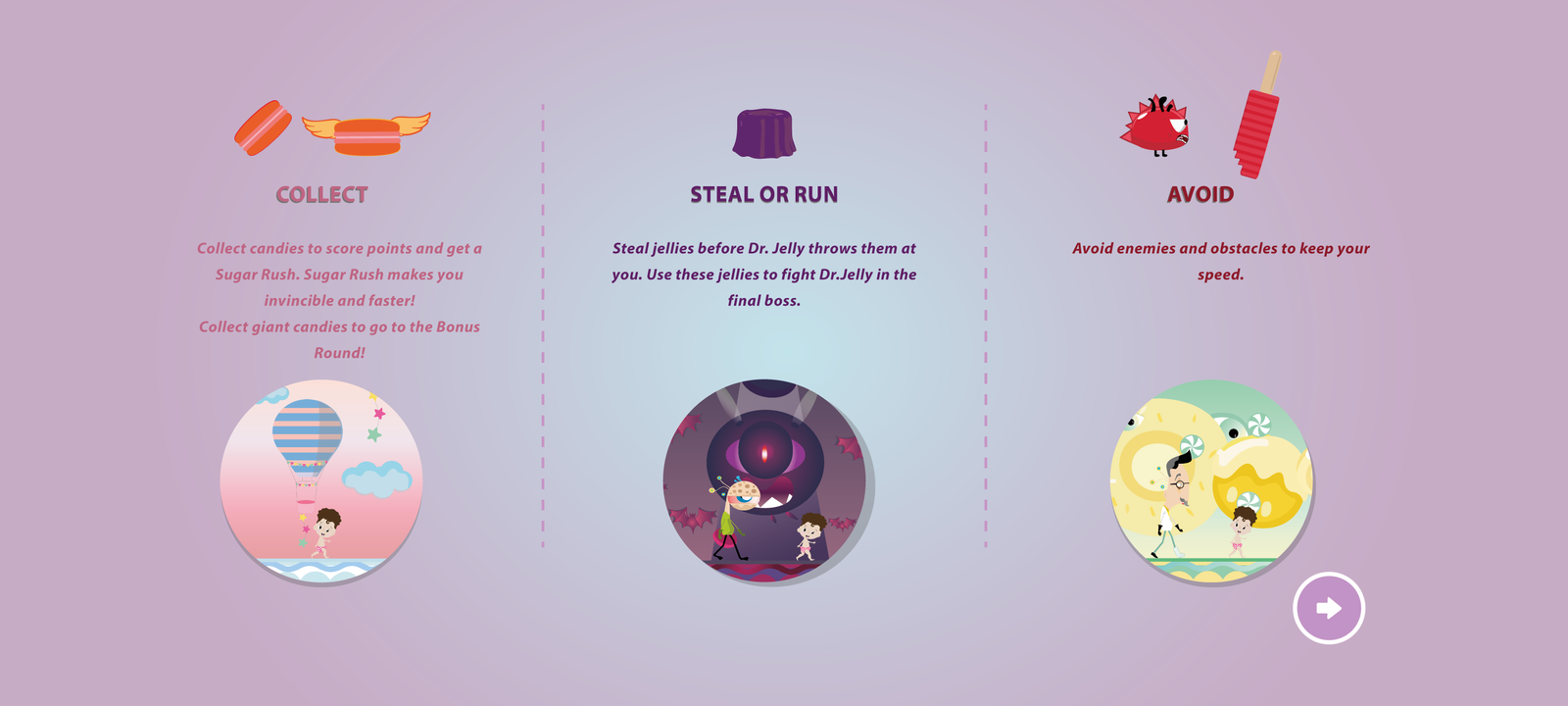
To ensure player clarity, a dedicated Tutorial Guide was developed. This screen introduces the various interactive objects within the game, clearly defining their functions and impact on Kobeโ€™s journey.


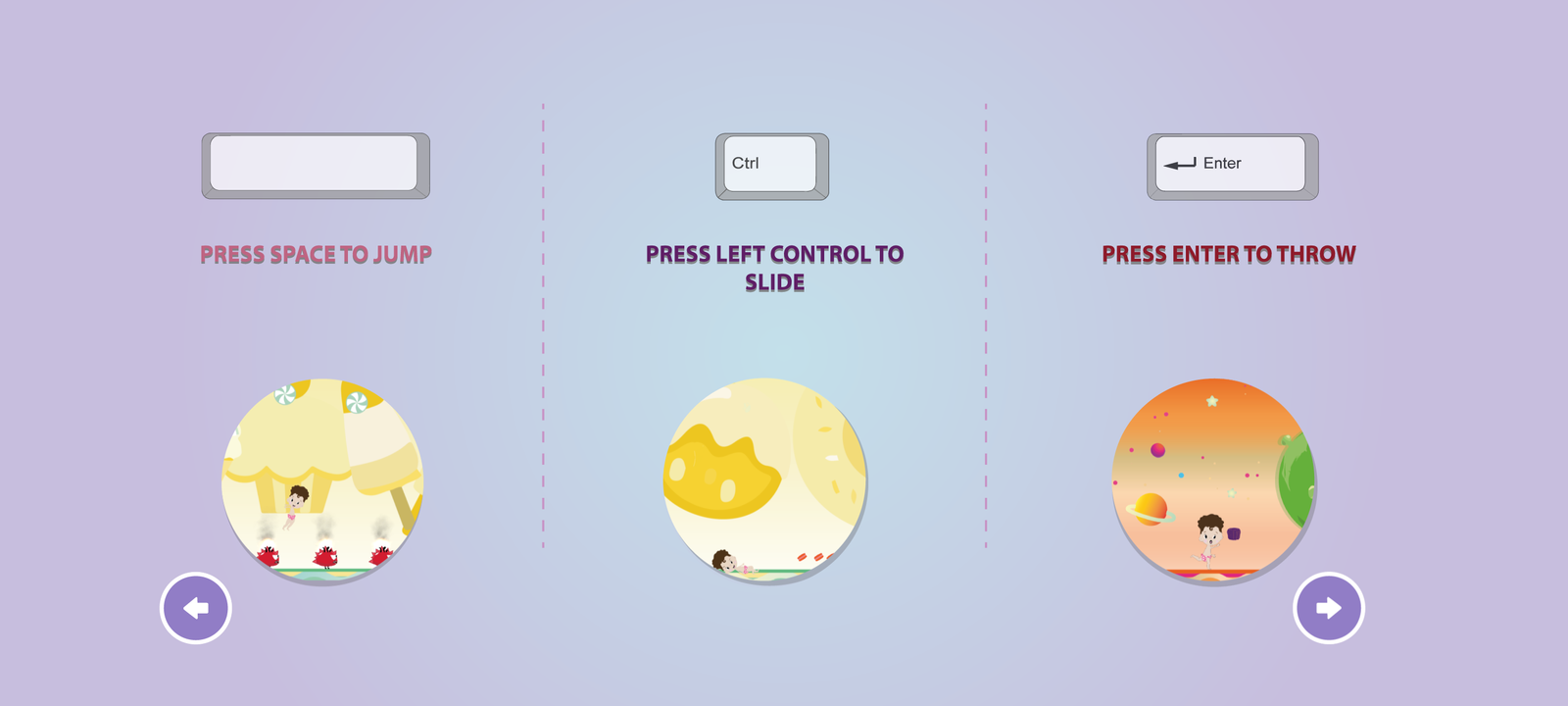
A tailored PC Tutorial provides desktop-specific control schemes, ensuring a smooth transition for players using keyboard and mouse inputs.


To optimize the mobile experience, a dedicated Mobile Tutorial was developed. This guide ensures intuitive touch-based interactions for a seamless transition to handheld play.


Prototype Video


Technical Validation

This Initial Unity Prototype focused on verifying core object functionalities and determining the optimal chase balance between Dr. Jelly and Kobe (represented here by a placeholder cube). This phase was critical for fine-tuning player-to-AI spacing.

Prototype Recording


Final Project Video


The Final Project Showcase presents the completed vision of "Dr. Jelly and Kobe." This gameplay footage demonstrates the seamless integration of character AI, environmental aesthetics, and adaptive UI systems.

Final Showcase


Sample Code


  • ๐ŸŽฎ Multiplayer Mode: Implement real-time multiplayer functionality for competitive and cooperative play.
  • ๐ŸŒŸ New Levels: Design additional levels with increasing complexity and new environments to improve replayability.
  • โšก Performance Optimization: Further optimize rendering and physics for smoother gameplay on lower-end devices.
  • ๐ŸŽจ Visual Polish: Add particle effects, improved animations, and enhanced lighting for a more immersive experience.
  • ๐Ÿงช User Testing: Conduct additional playtesting sessions to refine difficulty curves and improve player satisfaction.
BACK TO HOMEPAGE